This month, we’re continuing an important conversation from Joy’s
time in the United States: how do we strengthen Tier 1 so that we
are responsive to the students in front of us?
In this month's edition
➤ From Joy’s desk—the
International MTSS Global Summit
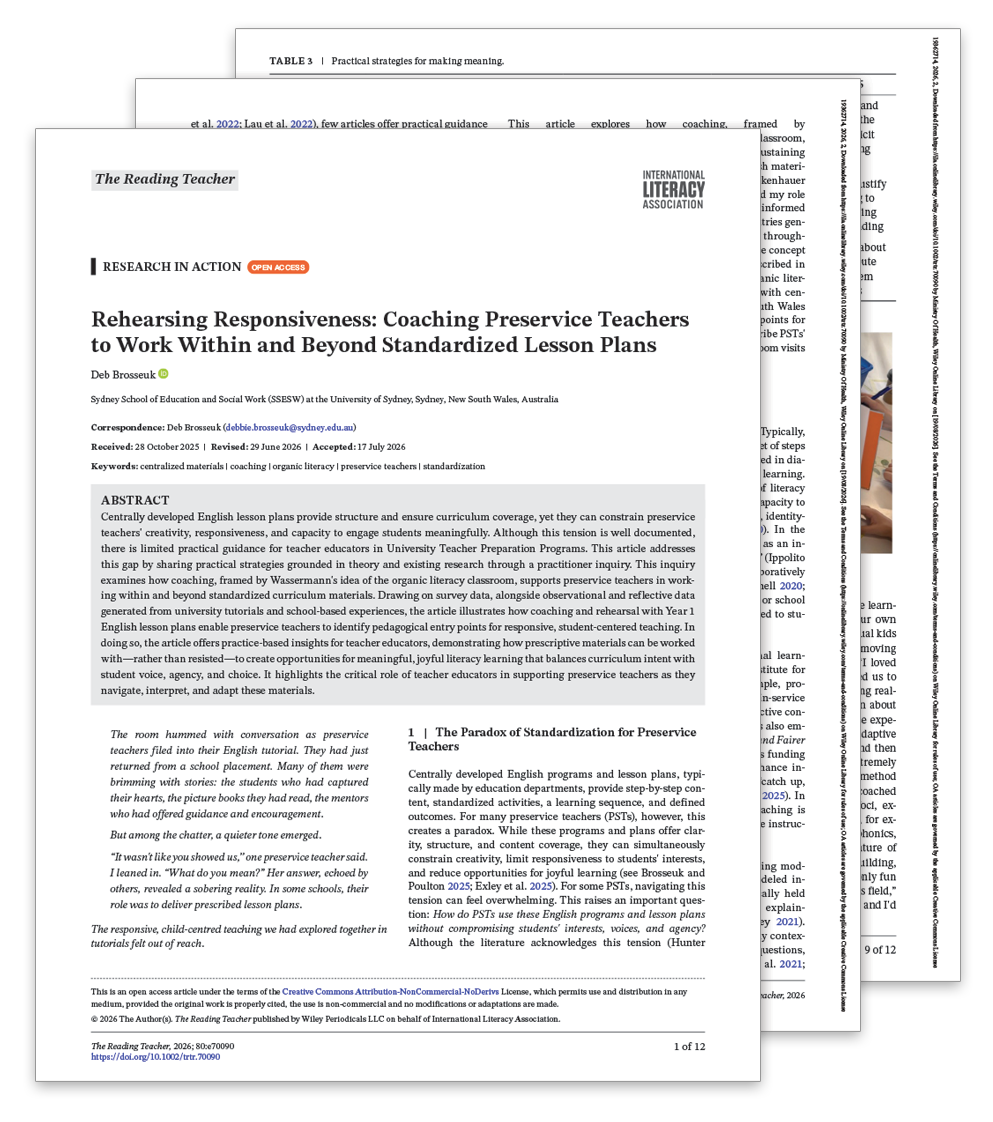
➤ "Rehearsing Responsiveness"
article
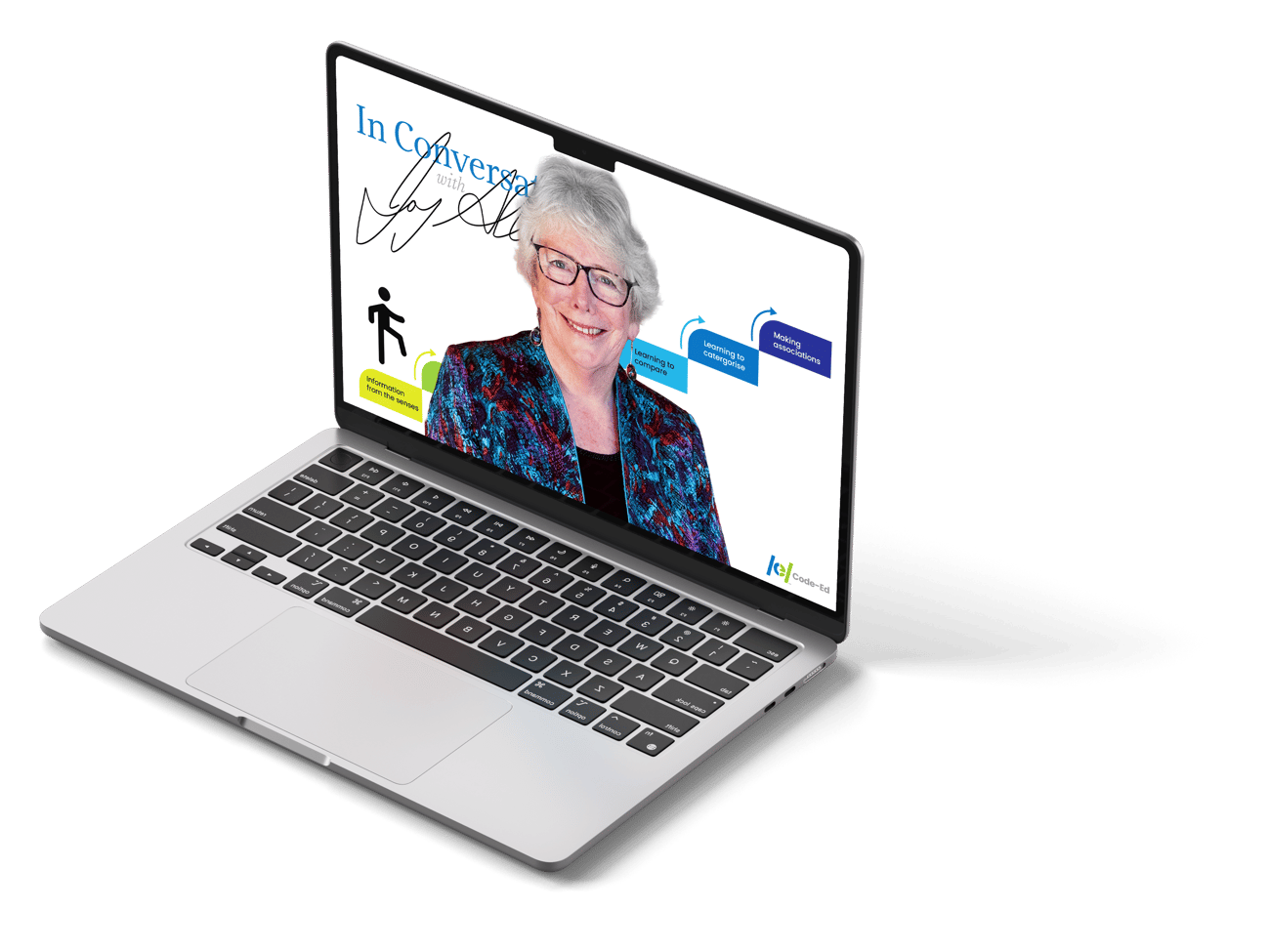
➤ In Conversation with Joy
Allcock—September 16th
➤Key Foundations in
action
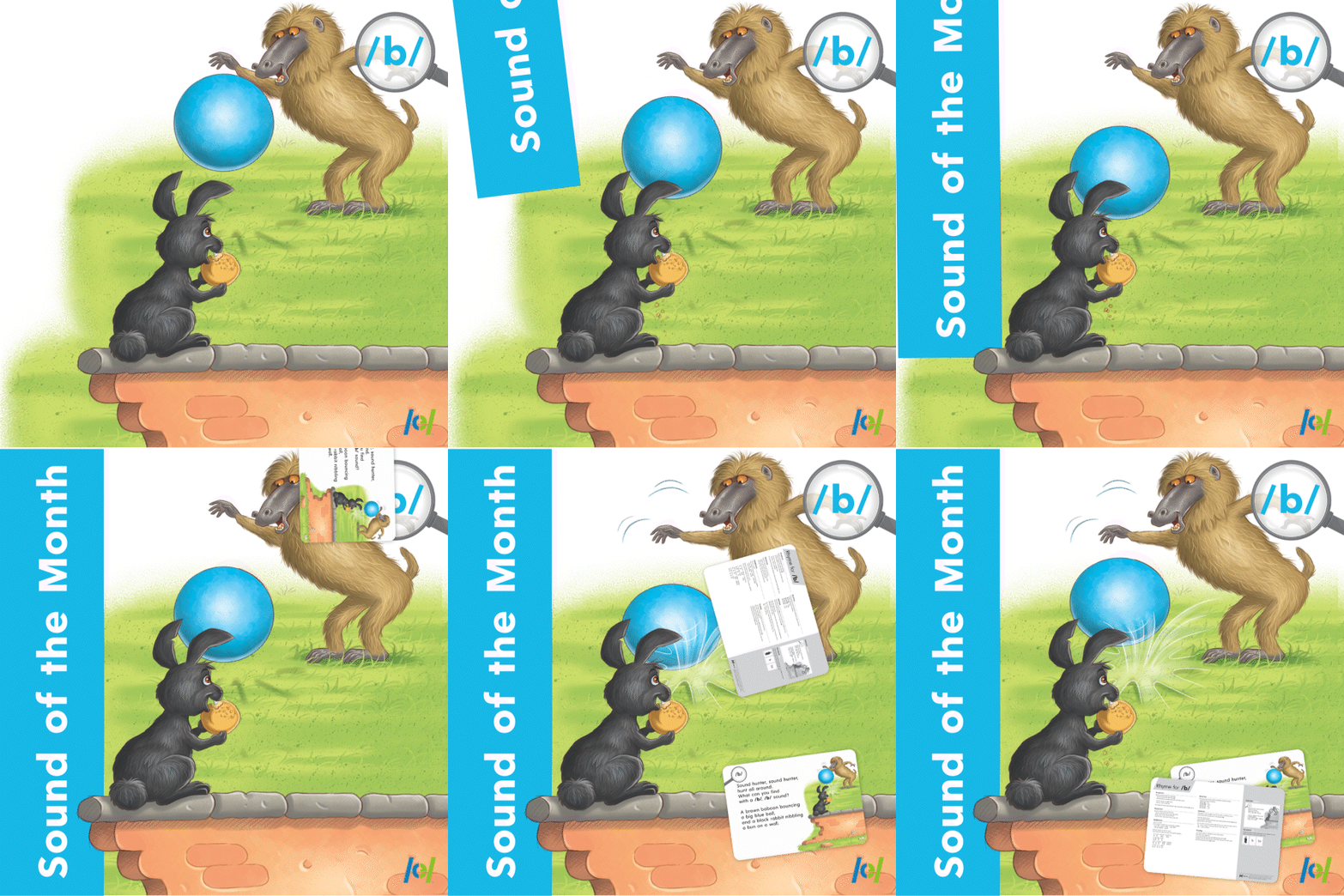
➤Sound Rhyme /b/
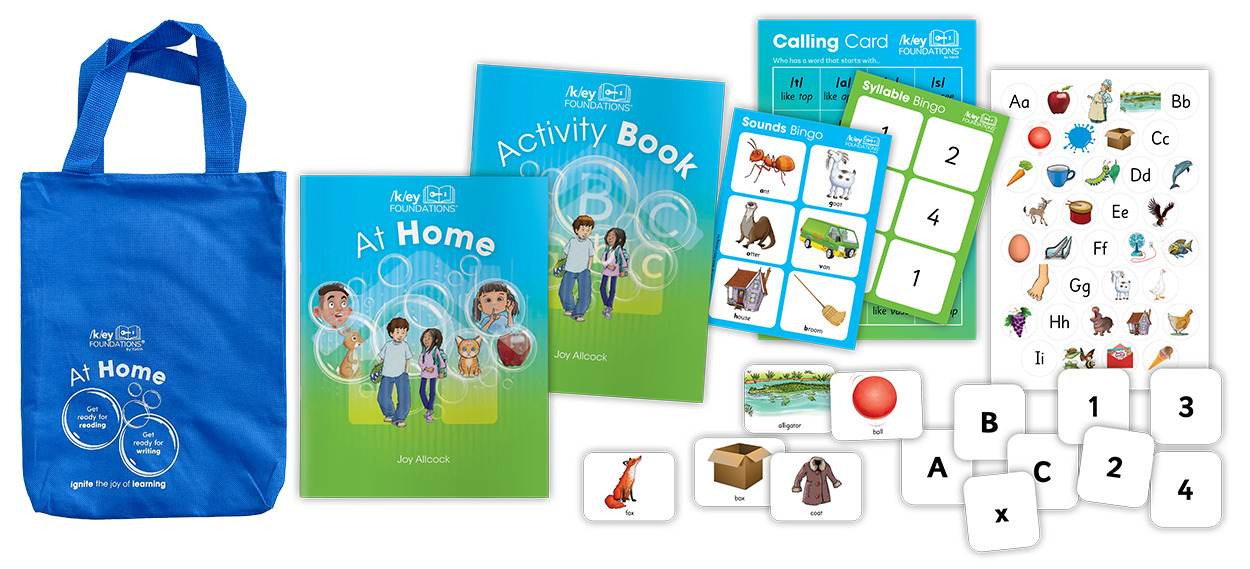
➤At Home for Year 0 and
Year 1
➤ Code-Ed Rewards—final days
From Joy's desk
Responsive Tier 1
My time at the International MTSS Summit reinforced the importance
of strong Tier 1 instruction.
The questions being asked in the US are familiar: How do we respond
when students aren’t progressing? How do we provide additional
support without losing instructional coherence?
Strong Tier 1 needs structure, but it also needs teachers who can
recognise what students know, so that they can respond to what they
need.
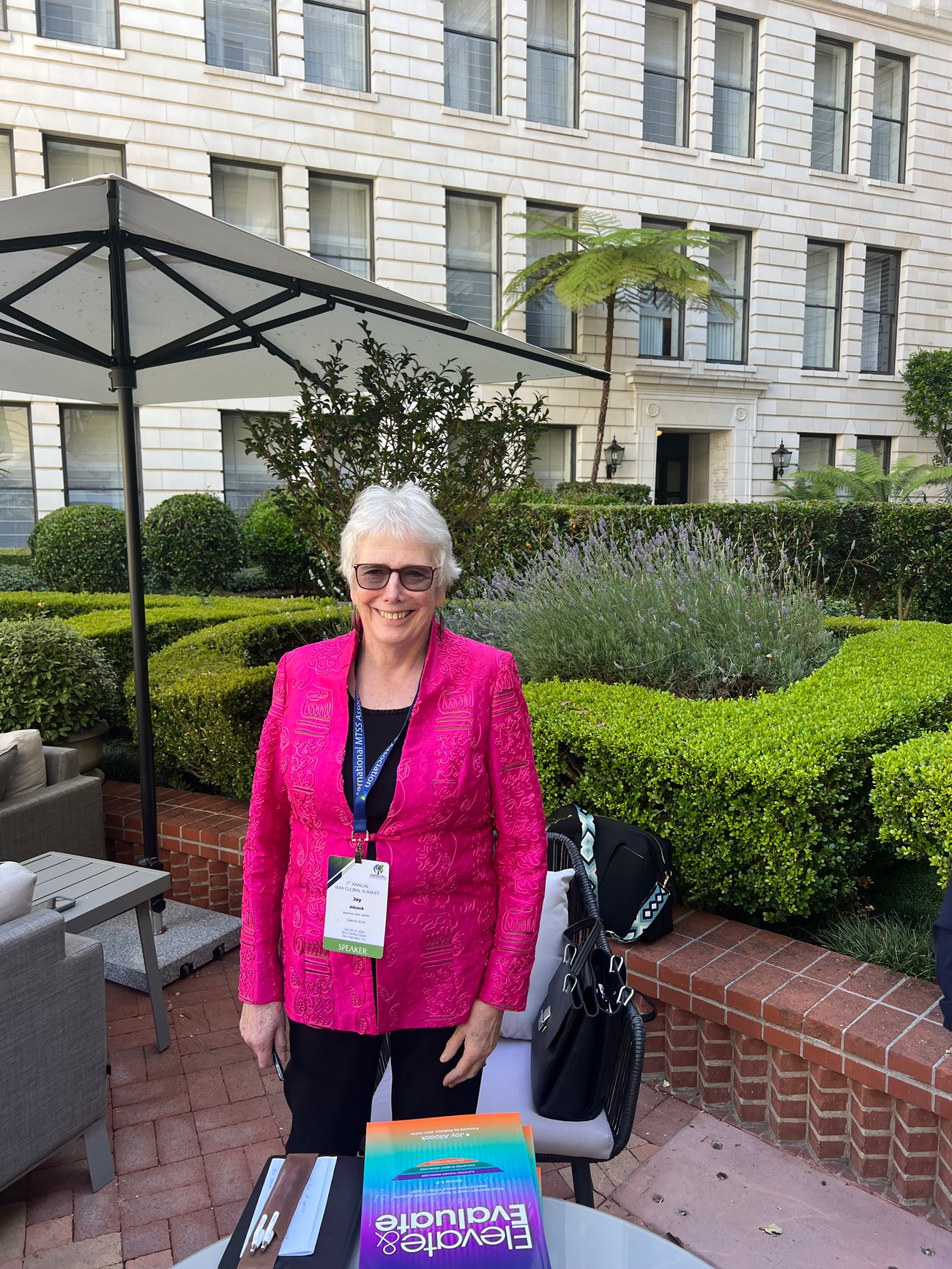
Pictured: Joy at the International MTSS Association Global
Summit book signing.
Worth reading
Can structured literacy still be responsive and joyful?
A recent article in The Reading Teacher explores the tension
between structured lesson plans and responsive teaching.
Importantly, it shows that explicit decoding instruction can
still be active, engaging and connected to meaningful reading and
writing.
Across 33 Pre-K classrooms in Virginia, children made substantial
gains after Key Foundations was introduced alongside the district’s
existing curriculum.
83% finished the year in the Strong band for Letter Sounds,
up from 31% at the beginning of the year.
Professor John Hattie described the results as “very
impressive” and the effect sizes
as “remarkable.”
Across New Zealand, Australia and internationally, the challenge is
the same: how do we make strong literacy instruction work for the
students in front of us?
Strong Tier 1 is structured, coherent, and responsive.
Joy Allcock, M.Ed. (Hons), is a leading New Zealand literacy
educator, author, and researcher whose work has shaped how literacy
is taught in classrooms across New Zealand, the United States,
United Kingdom, Canada, and Australia.
Code-Ed is built on Joy’s evidence-proven
speech-to-sound-to-print approach and
classroom-tested resources, designed to strengthen teacher knowledge
and ensure every learner can access reading and writing.
Our mission is simple: evidence-proven structured literacy that builds engagement
and accelerates outcomes for all learners.
Follow Code-Ed for practical classroom insights, new resources, and
literacy leadership: